Invisible Lines: How Non-Physical Borders Define Our Geography
- Sciaria
- Geography
- Apr 28, 2026
- 0 Comments
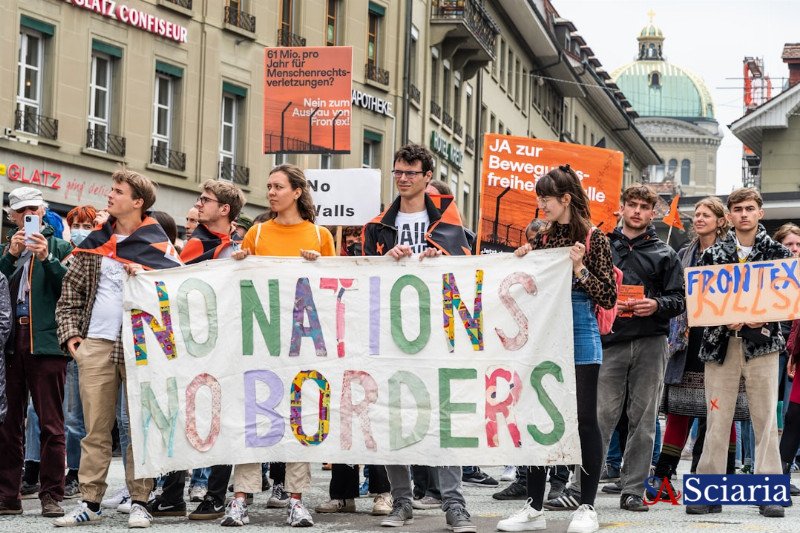
When we think of borders, images of fences, checkpoints, or winding rivers often come to mind. These are the visible lines on maps that delineate nations and territories. Yet, beneath this tangible layer lies a complex web of 'invisible borders'—intangible boundaries that are just as powerful, if not more so, in shaping societies, economies, and the very fabric of human geography. These unseen divisions, born from history, culture, and power, dictate everything from linguistic zones to trade routes, silently influencing our daily lives and global interactions.
Consider the subtle yet profound influence of cultural and linguistic borders. A country might be a single entity on a map, but within its political boundaries, distinct cultural regions with unique dialects, traditions, and belief systems often persist. These invisible lines can foster strong community bonds on one side while creating misunderstandings or even conflict on another. They shape migration patterns, define ethnic enclaves, and explain why certain areas gravitate towards specific cultural or political ideologies, revealing a human landscape far more intricate than any drawn line.
Beyond culture, economic and geopolitical invisible borders exert immense influence. Think of global supply chains that connect certain regions while bypassing others, creating zones of prosperity and exclusion. International trade agreements form alliances and barriers, dictating who exchanges goods and services with whom. Spheres of political influence, historical colonial ties, or even digital divides in access to technology can act as potent, non-physical borders, concentrating power, wealth, and opportunity in specific areas, shaping geopolitical strategies and the distribution of resources worldwide.
Even environmental factors can create invisible borders. While not human-made, climate zones, ecological biomes, or shared access to critical resources like freshwater form natural, yet powerful, divisions. These often dictate settlement patterns, agricultural practices, and resource management strategies. Furthermore, social constructs like class, race, or religion, while not geographical in a traditional sense, often manifest geographically, leading to segregated neighborhoods, unequal access to services, and distinct social geographies within cities and regions.
Understanding these invisible borders is crucial for comprehending the complexities of our world. They remind us that geography isn't just about physical features and political divisions, but also about the intricate, dynamic interplay of human culture, economy, and power. Recognizing their existence helps us decode global inequalities, anticipate social trends, and foster more inclusive policies. By looking beyond the obvious lines on a map, we can begin to see the true, multifaceted geography that shapes our shared human experience.
Comments (0)
Rate This Blog
Top Blogs by Rating

The Indispensable Value of 'Us...
By Sciaria

The Empathy Economy: Where Our...
By Sciaria

Why We Obsess: The Anthropolog...
By Sciaria
Favorite Blog
The Bio-Foundry: Forging a Fut...
By Sciaria

The Compass You Didn't Know Yo...
By Sciaria

The Admin Alchemist: Mastering...
By Sciaria
 Sciaria Research