Unmasking the Bias Blind Spot: Hidden Influences in Scientific Research
- Sciaria
- Research, Evaluation
- Nov 21, 2025
- 0 Comments
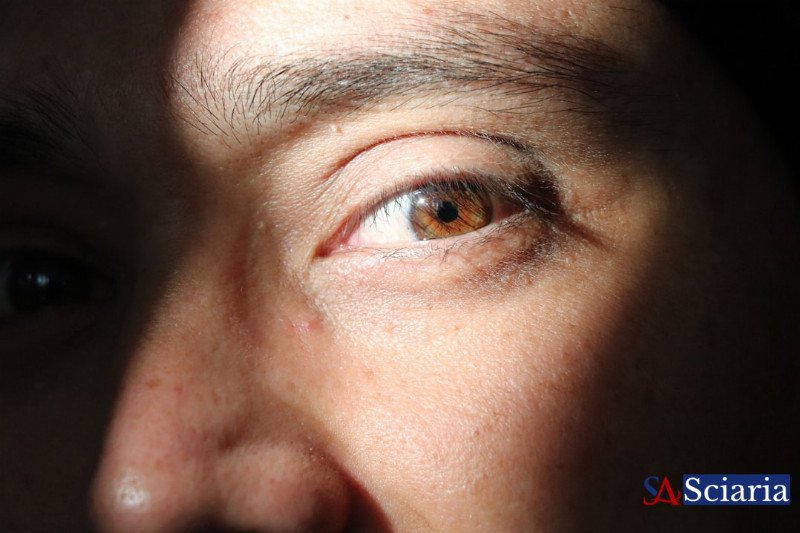
In the pursuit of knowledge, researchers strive for objectivity, rigor, and impartiality. Yet, a subtle, often invisible adversary can undermine even the most diligent efforts: the bias blind spot. This cognitive phenomenon describes our tendency to recognize the impact of biases on others' judgments while failing to see the impact of biases on our own. For anyone involved in research and evaluation, understanding and actively addressing this blind spot is not just good practice—it's foundational to producing credible and trustworthy findings.
The bias blind spot is particularly insidious because it preys on our inherent human nature. We often believe our own reasoning is more rational and less susceptible to the very biases we readily identify in others. In the research context, this can manifest in countless ways: unknowingly favoring data that supports a pet hypothesis (confirmation bias), inadvertently designing studies that exclude certain populations (selection bias), or even interpreting results through a lens colored by personal beliefs or academic allegiances. It’s not necessarily about deliberate malice, but rather the subconscious shortcuts our brains take, which can subtly steer research design, data collection, and interpretation away from true objectivity.
The implications of an unchecked bias blind spot are profound. Flawed research can lead to incorrect conclusions, misallocation of resources, and an erosion of public trust in science. For evaluators, it can mean misjudging the effectiveness of interventions or policies, leading to misguided decisions. Recognizing that every researcher, regardless of their expertise or intention, is vulnerable is the first critical step. The challenge isn't just about knowing what biases exist; it's about developing the self-awareness and implementing systematic safeguards to counteract their silent influence on our own work.
Mitigating the bias blind spot requires a proactive, multi-faceted approach. Strategies include incorporating rigorous, structured peer review processes to gain external perspectives, and pre-registering study designs and hypotheses to commit to methods before data collection. Researchers can also employ blinding techniques where appropriate, ensuring participants and/or data collectors are unaware of treatment assignments. Building diverse research teams also helps, as varied backgrounds and viewpoints can challenge collective blind spots. Regular training on cognitive biases, fostering a culture of critical self-reflection, and adherence to standardized protocols are all essential tools in the ongoing fight to ensure research remains as objective and transparent as possible. Encouraging replication studies by independent teams further strengthens the integrity of findings.
Ultimately, overcoming the bias blind spot isn't about eliminating all personal biases—an impossible feat—but rather about continuously striving for greater awareness and implementing robust methodological protections. By acknowledging our inherent vulnerabilities and adopting proactive strategies, we strengthen the ethical foundations of our work, enhance the credibility of our findings, and contribute more meaningfully to the collective body of human knowledge. The future of reliable research depends on our collective willingness to look inward and uncover these hidden influences.
Comments (0)
Rate This Blog
Top Blogs by Rating

The Hidden Power of Micro-Comm...
By Sciaria

Beyond the Buzz: Deconstructin...
By Sciaria

The Unsung Hero: Why Asking Be...
By Sciaria
Favorite Blog

Beyond the Couch: Unlocking Mi...
By Sciaria

Unveiling the Ocean's Hidden W...
By Sciaria

The Unseen Threads: Why Democr...
By Sciaria
Related Research
Successful management of upper limb buerger's disease with video-assisted thoracoscopic sympathectomy: a case report
The effect of education on mother's attitude about early mp-asi to mothers of babies aged 0-6 months in ponorogo
Diskursus diskursus janda manado
Share
Notice Board
- KONSEP TAWAKAL DALAM AL-QUR'AN DAN RELEVANSINYA TERHADAP PENDIDIKAN
- PENEGAKAN HUKUM TERHADAP SOPIR TRUK TAMBANG YANG MELAKUKAN PELANGGARAN LALU LINTAS (STUDI DI KEC. LABUHAN HAJI, KABUPATEN LOMBOK TIMUR)
- SêNIOR COHOUSING: UM MODELO DE SUPORTE SOCIAL E APOIO MúTUO PARA O ENVELHECIMENTO NA COMUNIDADE:
 Sciaria Research