Parasites: The Unsung Architects of Earth's Biodiversity
- Sciaria
- Zoology
- Nov 26, 2025
- 0 Comments
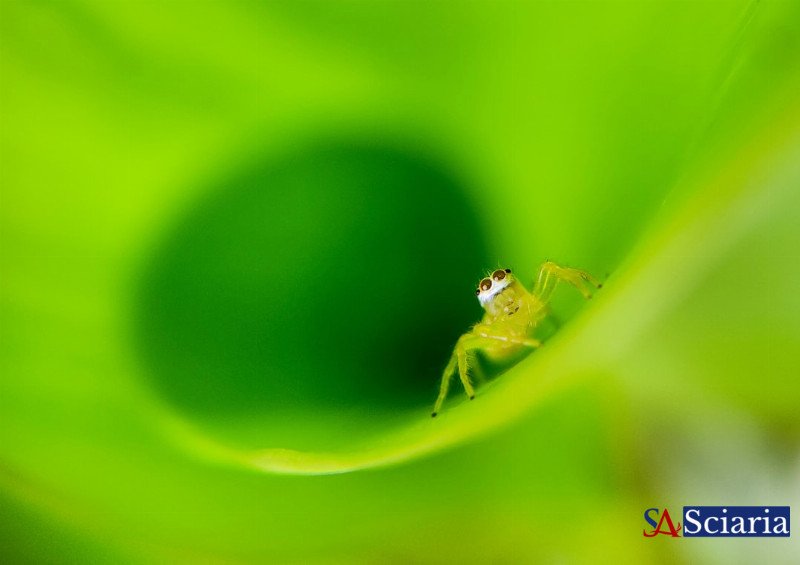
When we hear the word 'parasite,' our minds often jump to images of disease, discomfort, and ecological detriment. We typically view these organisms as villains, threats to host survival and population health. However, this perception, while rooted in real-world impacts, only tells half the story. In the intricate tapestry of life, parasites are not merely takers; they are, astonishingly, critical engineers of biodiversity, playing a profound and often overlooked role in shaping ecosystems and driving evolution.
Far from being simply destructive, parasites are powerful regulators of host populations. By selectively targeting certain individuals or species, they can prevent a single host species from dominating an ecosystem. This 'top-down' control allows for the proliferation of other, less competitive species, thereby increasing overall species richness and creating new ecological niches. Think of it as a natural check-and-balance system; without parasites, some host populations could explode, outcompeting others and drastically simplifying the ecosystem's structure. This density-dependent regulation is a fundamental mechanism through which parasites maintain ecological equilibrium.
Beyond population control, parasites are central drivers of evolution and genetic diversity through a continuous 'arms race' with their hosts. Hosts evolve defenses against parasites, while parasites, in turn, evolve new ways to evade these defenses. This relentless co-evolutionary dynamic constantly pushes both host and parasite populations to adapt, diversify, and innovate. This genetic churn prevents stagnation, fostering a wealth of genetic variation that makes populations more resilient to environmental changes and disease. It's a biological marathon where every stride by one participant forces an equal, if not greater, response from the other, enriching the genetic landscape for all.
Moreover, parasites can act as ecosystem engineers in more direct ways. Some manipulate host behavior, making them more susceptible to predators (a phenomenon known as 'trophic manipulation'), which can alter food web dynamics and nutrient cycling. Others, like gall-inducing insects, physically change their plant hosts, creating microhabitats that support entire communities of other invertebrates. Even the presence of parasites can influence mate choice or social structures within host populations. Understanding these complex, multifaceted roles is crucial for a holistic view of zoology and for effective conservation strategies, reminding us that nature's most intricate designs often involve its most unexpected participants.
Comments (0)
Rate This Blog
Top Blogs by Rating

Roots and Routes: How Globaliz...
By Sciaria

Unlock Your Brainpower: Master...
By Sciaria

The Evolution of Knowledge in...
By Sciaria
Favorite Blog

Unlocking the Power of Nurse I...
By Sciaria

Beyond the Genes: Decoding Gen...
By Sciaria

Big Data's Unintended Conseque...
By Sciaria
 Sciaria Research