The Wood Wide Web: Unearthing the Fungal Network Connecting Our Forests
- Sciaria
- Forestry
- Jul 07, 2026
- 0 Comments
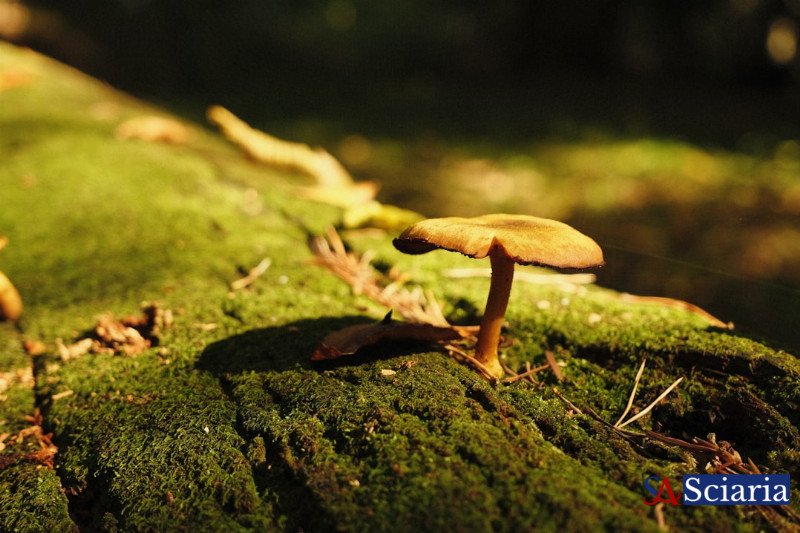
When we look at a forest, we often see individual trees standing tall, seemingly independent. But beneath our feet, hidden from plain sight, lies an astonishingly complex and vital communication network – a 'Wood Wide Web' – powered by an ancient alliance between trees and fungi. This secret internet of the forest orchestrates a silent dialogue, sharing resources, information, and even warnings, making the forest a true superorganism.
At the heart of this subterranean marvel are mycorrhizal fungi. These microscopic organisms form a symbiotic relationship with tree roots, intertwining their thread-like structures, called hyphae, with the root systems. While trees provide the fungi with sugars produced through photosynthesis, the fungi, in return, act as an extended root system, vastly increasing the tree's access to water and vital nutrients like phosphorus and nitrogen from the soil. But their role goes far beyond simple nutrient exchange. These fungal networks can physically link multiple trees, sometimes even different species, creating a vast biological internet that spans across the forest floor.
Through this incredible mycorrhizal network, trees can 'communicate' and exchange resources. For instance, older, established 'mother trees' can use the network to send carbon and nutrients to younger saplings struggling in shade, effectively nurturing the next generation. Trees can also transmit warning signals about insect infestations or disease through the fungal threads, priming their neighbors for defense. This interconnectedness fosters resilience, allowing forests to adapt and thrive against environmental stressors, ensuring the health and stability of the entire ecosystem.
For forestry, understanding the 'Wood Wide Web' is paramount. Traditional forestry practices that prioritize clear-cutting or planting monocultures can severely disrupt or destroy these delicate fungal networks, weakening the entire forest's ability to recover and resist threats. Sustainable forestry, in contrast, recognizes the crucial role of soil biodiversity and the fungal underworld. Practices that preserve soil integrity, promote diverse tree species, and minimize disturbance help maintain and strengthen these essential networks, leading to healthier, more resilient forests. By appreciating this hidden world, we can foster practices that work with nature, rather than against it, ensuring the longevity and vitality of our precious forest ecosystems.
Comments (0)
Rate This Blog
Top Blogs by Rating

Curriculum as Algorithm: Engin...
By Sciaria

Gender: Unboxing the Self – Fi...
By Sciaria

Unlock Your Brainpower: Master...
By Sciaria
Favorite Blog

Unmasking the Macabre: The Dar...
By Sciaria

The Illusion of Time: Explorin...
By Sciaria

The Forgotten Superpower: Why...
By Sciaria
 Sciaria Research