Bio-Fusions: The Dawn of Silicon-Cellular Integration
- Sciaria
- Biotechnology
- Nov 05, 2025
- 0 Comments
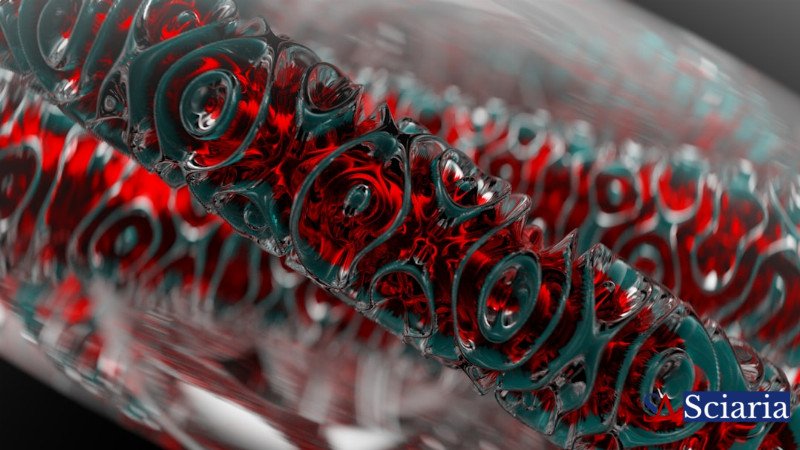
The future of medicine and technology isn't just digital or biological; it's a seamless blend of both. Enter Bio-Fusions, a groundbreaking realm where the intricate world of living cells converges with the precision and power of silicon-based electronics. This revolutionary intersection promises to redefine our understanding of life and our capabilities to heal, enhance, and interact with it. It's where the microscopic complexity of biology shakes hands with the engineered sophistication of technology, opening doors to possibilities once confined to science fiction.
At its core, Bio-Fusions explores the direct, functional integration of biological components – from individual cells and proteins to entire tissues – with inorganic materials, predominantly silicon. Imagine advanced biosensors so sensitive they can detect disease markers at their earliest stages, or neural interfaces that restore lost function by directly communicating with the brain. This fusion isn't merely about placing cells on a chip; it's about establishing a stable, biocompatible, and often two-way communication channel. From smart prosthetics that offer sensory feedback to highly targeted drug delivery systems activated by cellular signals, the potential applications are vast and transformative, paving the way for personalized medicine and unprecedented therapeutic solutions that interact intelligently with the body.
The journey of melding silicon with cells is, however, fraught with complex challenges. Biocompatibility is paramount; the inorganic material must not harm the delicate biological system, nor should the cells degrade the electronic components over time. Achieving stable, long-term interfaces at the nanoscale, ensuring efficient signal transduction, and maintaining cell viability outside their natural environment are active areas of intensive research. Innovations in material science, such as the development of flexible electronics, advanced hydrogels, and sophisticated microfluidic systems, are crucial in overcoming these hurdles. Researchers are also exploring novel methods to 'train' cells to integrate with artificial substrates, leading to more robust and functional bio-hybrid systems capable of complex interactions.
Bio-Fusions represents more than just a scientific endeavor; it's a paradigm shift in how we approach healthcare, research, and human augmentation. By harnessing the unparalleled power of both biology and engineering, we are unlocking doors to diagnostic tools that are orders of magnitude more precise, therapeutic interventions that are highly targeted, and even the possibility of repairing or replacing damaged biological functions with unprecedented efficacy. As the lines between the organic and inorganic continue to blur, the future where silicon actively collaborates with cells promises a new era of medical breakthroughs and a deeper, more profound connection to the very essence of life itself, moving us closer to a future where technology truly augments biology for the betterment of all.
Comments (0)
Rate This Blog
Top Blogs by Rating
The Unseen Dialogue: Decoding...
By Sciaria

The Algorithm: Your Next Human...
By Sciaria

Beyond the Screen: The Environ...
By Sciaria
Favorite Blog

Reclaim Your Day: Mastering th...
By Sciaria

The Wood Wide Web: Unearthing...
By Sciaria

Unlocking Trust: Cryptography,...
By Sciaria
 Sciaria Research