Beyond the Dollar: Why Trust is the Global Economy's Most Potent, Unseen Currency
- Sciaria
- Economics
- Aug 31, 2026
- 0 Comments
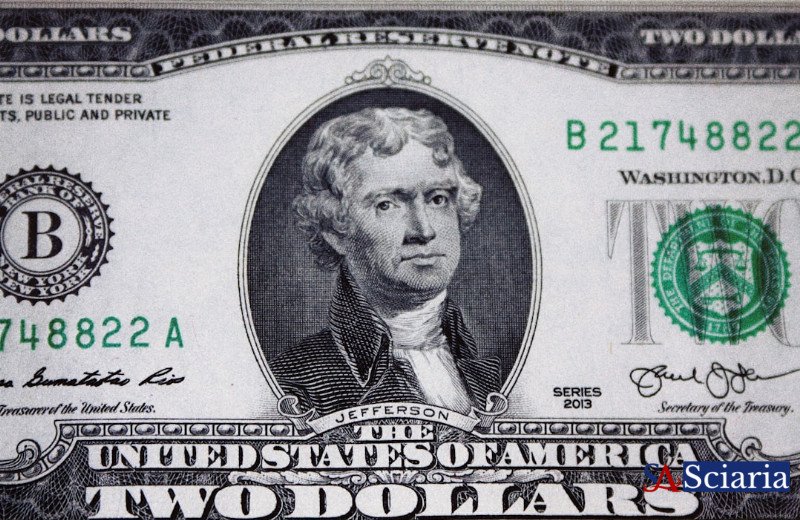
In the complex machinery of global economics, we often focus on tangible assets: interest rates, GDP figures, trade balances, and, of course, cold, hard currency. Yet, beneath these visible gears and cogs lies an invisible, often unspoken, force that powers every transaction, every investment, and every innovation: trust. More than a mere soft skill or a desirable character trait, trust is, in essence, the economy’s most potent, unseen currency, dictating the pace and health of markets worldwide.
Think about it: every time you swipe your credit card, sign a contract, or invest in a company, you are implicitly extending trust. This fundamental belief in the reliability and integrity of others drastically reduces transaction costs. Without trust, every deal would require extensive legal oversight, exhaustive due diligence, and guarantees against default, slowing down commerce to a crawl. Trust streamlines processes, fostering an environment where businesses can innovate, consumers can purchase with confidence, and investors can allocate capital efficiently, knowing that promises will generally be kept and agreements honored.
The erosion of trust, conversely, can have devastating economic consequences. Financial crises, corporate scandals, or political instability quickly lead to a loss of market confidence, drying up investment, halting consumer spending, and ultimately triggering recessions. When individuals and institutions doubt the system, they hoard resources, withdraw from markets, and seek safety, stifling economic dynamism. Conversely, economies with high levels of social and institutional trust tend to exhibit greater stability, lower corruption, and higher rates of economic growth, proving that a robust bedrock of trust is more valuable than any gold reserve.
Building and maintaining this unseen currency is a collective responsibility. For businesses, it means transparency, ethical practices, and consistent delivery on promises. For governments, it involves upholding the rule of law, ensuring fair competition, and providing stable regulatory frameworks. For individuals, it’s about integrity in dealings. In a hyper-connected world where information (and misinformation) spreads rapidly, a reputation for trustworthiness can be a company’s strongest competitive advantage and a nation’s greatest asset in attracting foreign investment and fostering international trade.
Ultimately, while central banks print money and governments issue bonds, the true circulatory system of the global economy relies on a different kind of value: trust. It’s the lubricant that keeps the economic engine running smoothly, the glue that holds markets together, and the invisible hand that empowers progress. Recognizing trust not just as a moral imperative but as a vital economic indicator is crucial for sustainable growth and prosperity in an increasingly interconnected world.
Comments (0)
Rate This Blog
Top Blogs by Rating

The Brain's Masterpiece: How Y...
By Sciaria

Deepfakes & Defamation: Unmask...
By Sciaria

Nursing's Sixth Sense: The Int...
By Sciaria
Favorite Blog

Bio-Fusions: The Dawn of Silic...
By Sciaria
Beyond the Void: The Unreasona...
By Sciaria

The Unseen Advantage: Why Trus...
By Sciaria
 Sciaria Research