Unlocking Destiny: Navigating Biotech's Ethical Crossroads in the Genomic Era
- Sciaria
- Biotechnology
- Apr 21, 2026
- 0 Comments
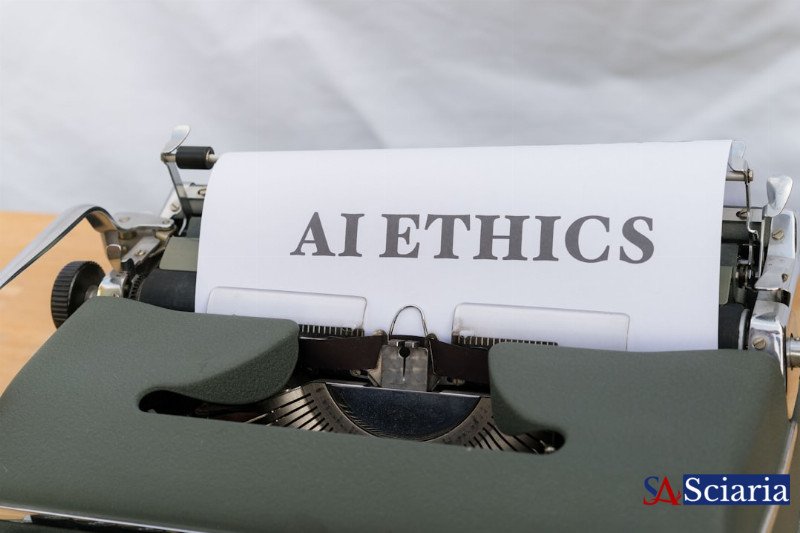
Imagine a future where the blueprint of life itself, your very own genome, is not just readable but editable. This isn't science fiction; it's the rapidly unfolding reality of modern biotechnology. Advancements in gene sequencing, CRISPR technology, and personalized medicine are propelling us into an era where our genetic destiny feels less like fate and more like a malleable code. But with this unprecedented power comes profound ethical questions, placing humanity at a critical crossroads.
The promise of genomic biotechnology is breathtaking. We stand on the cusp of eliminating devastating hereditary diseases, developing targeted cancer therapies, and understanding the intricate mechanisms of aging. Genetic screening can identify predispositions to illness, allowing for proactive prevention. For millions suffering from genetic disorders, these breakthroughs offer a beacon of hope, promising longer, healthier, and more fulfilling lives. The potential for alleviating suffering and enhancing human well-being is truly revolutionary.
Yet, the very tools that offer such profound relief also open a Pandora's Box of ethical dilemmas. If we can correct 'faulty' genes, where do we draw the line between therapy and enhancement? The concept of 'designer babies,' while controversial, illustrates the slippery slope. Should parents be able to select traits like intelligence, athletic ability, or even eye color for their offspring? And what are the societal implications of such choices, potentially creating new forms of inequality and discrimination based on genetic 'superiority'?
Beyond germline editing, issues of genetic privacy and discrimination loom large. Who owns your genetic data, and how should it be used? Could insurance companies deny coverage, or employers make hiring decisions, based on an individual's genetic predispositions? Furthermore, the equity of access to these advanced technologies is a critical concern. Will these life-altering treatments be available only to the privileged few, exacerbating global health disparities and creating a 'genetic divide' between the haves and have-nots?
As we delve deeper into the genomic era, navigating these ethical waters requires careful consideration, robust public discourse, and thoughtful regulation. It demands an interdisciplinary approach involving scientists, ethicists, policymakers, and the public to establish moral guidelines and ensure responsible innovation. Our ability to read, understand, and rewrite the human genome is a monumental achievement, but how we choose to wield this power will ultimately define not just our individual destinies, but the very future of humanity.
Comments (0)
Rate This Blog
Top Blogs by Rating

The Botanical Night Shift: Uns...
By Sciaria

The Dark Matter of Big Data: U...
By Sciaria

Embracing Impermanence: The Ca...
By Sciaria
Favorite Blog

Mastering Predictive Support:...
By Sciaria

Bending Light, Shaping Reality...
By Sciaria

Are Your Emojis Truly Connecti...
By Sciaria
Related Research
International tax cooperation and illicit capital mobilization as a first (mathematical) derivative of the financing for sustainable development (ffd4)
Perempuan si rukat nakan: konstruksi identitas gender pada budaya patriarki masyarakat suku karo
Challenges in posing hots-oriented problems: a study of prospective mathematics teachers with restricted creativity
Share
Notice Board
- MENGUAK RAHASIA TAFSIR FALSAFI: SEJARAH, METODE DAN TOKOH-TOKOH BERPENGARUH
- PEMBUATAN PAKAN PELLET BERBAHAN BAKU LOKAL PADA KELOMPOK TERNAK COT SUBUR DESA BATHUPAT TIMUR KECAMATAN MUARA SATU KOTA LHOKSEUMAWE
- CODE-MIXING AS AN EXPRESSIVE STRATEGY IN DIGITAL SPOKEN: A CASE STUDY OF MAUDY AYUNDA’S YOUTUBE CHANNEL
 Sciaria Research