The Unseen Architects: How Cities Subtly Reshape Our Minds
- Sciaria
- Urbanization
- Jul 29, 2026
- 0 Comments
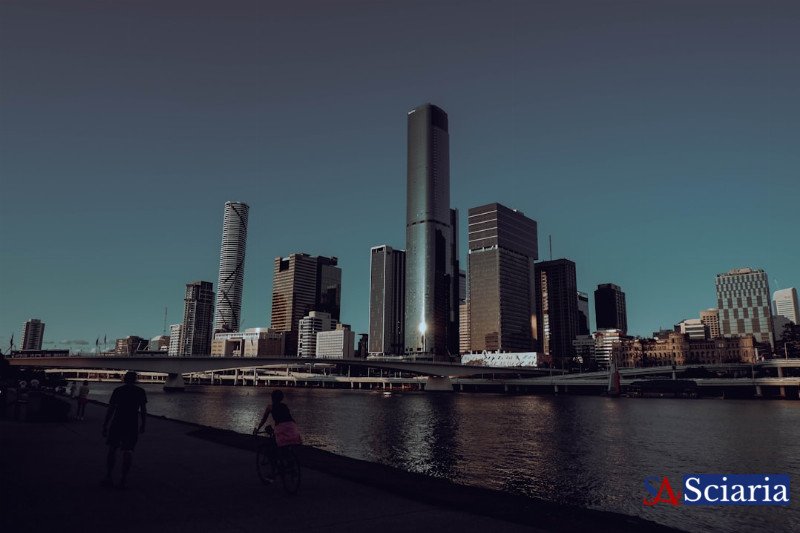
We often think of cities as mere backdrops to our lives, bustling stages where human dramas unfold. Yet, beneath the concrete and steel, the constant hum of traffic, and the vibrant tapestry of urban life, lies a profound truth: cities are not just places we inhabit; they are active, unseen architects of our minds. From the towering skyscrapers to the quiet green alleys, every aspect of our built environment subtly, yet significantly, shapes our thoughts, emotions, and behaviors. Understanding this intricate relationship is crucial as urbanization continues its relentless expansion across the globe.
The sheer density and complexity of urban environments demand a constant recalibration of our senses and cognitive processes. The relentless barrage of stimuli – sounds, sights, smells – can lead to a phenomenon known as 'cognitive overload,' potentially contributing to stress and anxiety for some. Conversely, the anonymity offered by large cities can liberate individuals, fostering a sense of freedom, experimentation, and unique self-expression. Our spatial relationship with others, dictated by street widths, building heights, and public spaces, influences everything from our perceived safety to our willingness to engage with strangers, profoundly impacting community formation and individual well-being.
It's not just the presence of a city, but its design that truly matters. Access to green spaces, for instance, has been consistently linked to reduced stress levels, improved mood, and enhanced cognitive function, acting as vital psychological buffers against urban pressures. Walkable neighborhoods that encourage human-scale interaction foster stronger community ties, a greater sense of belonging, and increased physical activity. Conversely, car-centric designs can lead to social isolation and reduced physical activity, impacting both mental and physical health. Understanding these profound psychological impacts allows urban planners and architects to move beyond mere functionality, crafting environments that nurture the human spirit, promote mental well-being, and foster a more connected, resilient populace.
As urbanization continues its relentless march, recognizing cities as powerful shapers of our internal landscapes becomes paramount. By consciously designing our urban spaces with human psychology at the forefront, we can create environments that don't just house us, but truly uplift, inspire, and connect us. The unseen architects are at work; it's time we understood their blueprint and actively participated in shaping the cities that, in turn, shape us.
Comments (0)
Rate This Blog
Top Blogs by Rating

Beyond the Cast & Crutches: Un...
By Sciaria

Materials That Remember: The I...
By Sciaria

The Invisible Architects: How...
By Sciaria
Favorite Blog

The Unseen Threads: Why Democr...
By Sciaria

The Algorithm of Athletic Grea...
By Sciaria

Our Digital Footprint: An Anth...
By Sciaria
 Sciaria Research