The Hidden Scents of Rebellion: How Fragrances Fueled Revolutions
- Sciaria
- History
- Oct 27, 2025
- 0 Comments
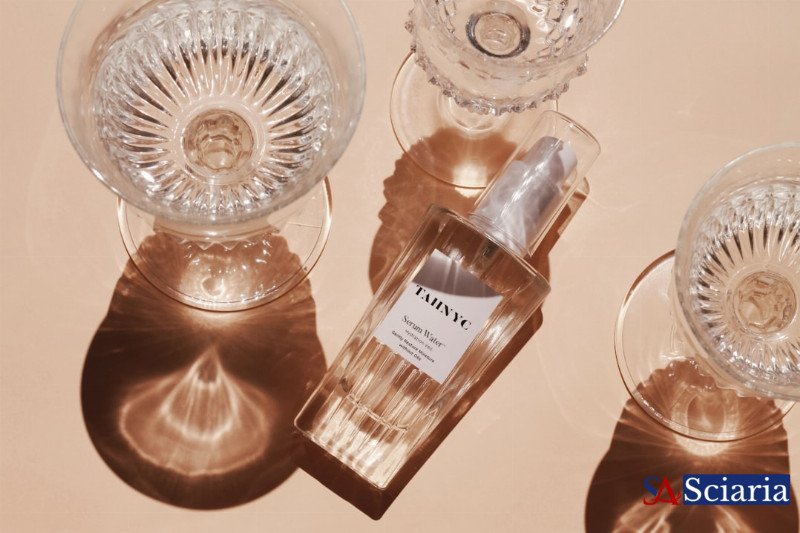
When we delve into the annals of history, our minds often conjure images of grand battles, impassioned speeches, and iconic figures. Yet, rarely do we stop to consider the invisible forces that shaped these moments: the smells. From the opulent boudoirs of queens to the grimy streets teeming with revolutionaries, fragrances – both present and absent – played a more profound role than we might imagine, acting as potent symbols, markers of class, and even catalysts for societal upheaval.
In pre-modern societies, scent was far more than a personal preference; it was a powerful social signifier. For the aristocracy, exotic perfumes, imported spices, and floral essences were not merely luxuries but declarations of wealth, status, and power. Imagine the courts of Europe, where elaborate wigs were powdered and bodies were doused in heavy musks, roses, and jasmines to mask the realities of less-than-perfect hygiene. This fragrant bubble of the elite stood in stark contrast to the everyday olfactory landscape of the common people – a world of sweat, unwashed bodies, hearth smoke, and the earthy smells of labor and urban life. This sensory chasm was not just an inconvenience; it was a constant, unspoken reminder of the vast inequalities that simmered beneath the surface.
Perhaps no period exemplifies this more vividly than the French Revolution. While Marie Antoinette is famously (and likely apocryphally) linked to the phrase 'Let them eat cake,' her actual obsession with elaborate perfumes and floral scents is well-documented. She commissioned perfumer Jean-Louis Fargeon to create bespoke fragrances featuring notes of rose, orange blossom, and tuberose. This lavish indulgence, the very air she breathed, symbolized the monarchy's detachment and decadence to the impoverished masses. The opulent scent trails of the aristocracy became a tangible manifestation of their extravagance, a constant provocation to a populace struggling for bread. Conversely, the 'smell of the people' – the authentic, unadorned aromas of grit, gunpowder, and revolutionary fervor – could be seen as an emerging counter-fragrance, a defiant rejection of aristocratic airs. The very act of forsaking perfumed powders for raw, unmasked reality became a subtle yet powerful act of rebellion.
Beyond France, the control and trade of aromatic spices fueled colonial empires and subsequent resistance movements, demonstrating how even the most fundamental fragrant commodities could drive conflict. Today, understanding these forgotten fragrances offers a unique, visceral dimension to our historical understanding. They remind us that history is not just seen and heard, but also deeply felt and, indeed, smelled – a sensory tapestry woven with hidden meanings that continue to resonate through time.
Comments (0)
Rate This Blog
Top Blogs by Rating

The Unsung Heroes: How Everyda...
By Sciaria

Beyond the Genes: Decoding Gen...
By Sciaria

Unveiling Earth's Hidden Major...
By Sciaria
Favorite Blog

The Quiet Rebellion of Empathy...
By Sciaria

Ops Debt: Unmasking the Silent...
By Sciaria
The Art of the Unsent Message:...
By Sciaria
 Sciaria Research