The Economic Dividend of Disconnection: Uncovering Value Beyond the Screen
- Sciaria
- Economics
- Jul 04, 2026
- 0 Comments
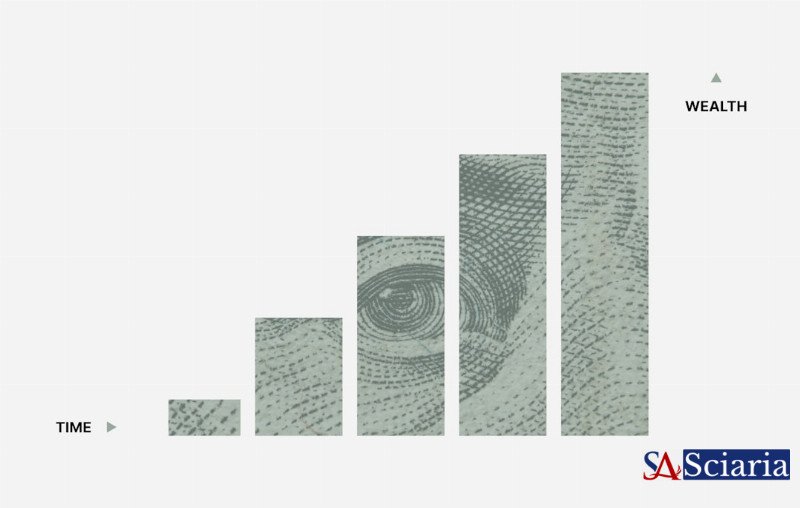
We live in an era defined by constant digital connection. Our smartphones, laptops, and smart devices promise convenience and boundless information. Yet, this always-on culture comes with hidden costs – not just in terms of time, but also tangible economic value. What if stepping away from the digital stream wasn't just a personal choice for well-being, but a savvy economic strategy? This exploration delves into the often-overlooked financial and productivity gains found in the radical act of going offline. It's time to examine the surprising economic dividend waiting for those brave enough to disconnect.
One of the most immediate economic benefits of intentional disconnection is direct cost savings. Less screen time often translates to fewer impulsive online purchases driven by targeted ads and instant gratification. Think about the myriad subscription services we accumulate for entertainment, apps, or digital content – many of which go underutilized. Furthermore, reducing our digital footprint can impact utility bills (less device charging, less data consumption) and even encourage a shift towards more affordable, analog forms of entertainment and leisure. By consciously disengaging, individuals reclaim control over their spending habits, reallocating resources from often passive digital consumption to more meaningful, intentional expenditures.
Beyond direct savings, the economics of disconnection reveal significant returns on productivity and human capital. Constant notifications and multitasking, though seemingly efficient, are notorious for fragmenting attention and diminishing deep work capacity. Going offline creates an environment conducive to focused thinking, problem-solving, and creative ideation – skills highly valued in any economy. This dedicated "offline time" can be invested in learning new skills, pursuing hobbies that enrich one's professional life, or simply allowing the mind to rest and consolidate information. By reducing digital distractions, individuals effectively invest in their mental clarity, cognitive endurance, and overall efficiency, leading to higher quality output and greater long-term career growth. This isn't just about doing more; it's about doing better.
Finally, the economic value of disconnection extends to improved well-being, a critical, albeit often intangible, asset. Chronic digital overload contributes to stress, sleep deprivation, and burnout, all of which have direct and indirect economic costs (healthcare, reduced performance). Disconnecting allows for genuine rest, stronger in-person relationships, and engagement with the physical world, fostering mental resilience and emotional balance. A happier, healthier individual is more likely to be productive, make sound financial decisions, and contribute positively to their community and economy. Viewing disconnection as an investment in personal health and happiness underscores its profound economic logic, translating into reduced long-term costs and an an enhanced capacity for value creation in all areas of life.
Comments (0)
Rate This Blog
Top Blogs by Rating

Rebooting Democracy: A 21st-Ce...
By Sciaria

Mimicry Masters: Nature's Dece...
By Sciaria

The Allure of the Absent: Expl...
By Sciaria
Favorite Blog

Unlock Your Inner Healer: The...
By Sciaria

Beyond Inclusion: Mastering th...
By Sciaria

Life's Grand Algorithm: Is Bio...
By Sciaria
 Sciaria Research