Invisible Astronomy: Unveiling the Hidden Wonders of the Cosmos
- Sciaria
- Astronomy
- May 05, 2026
- 0 Comments
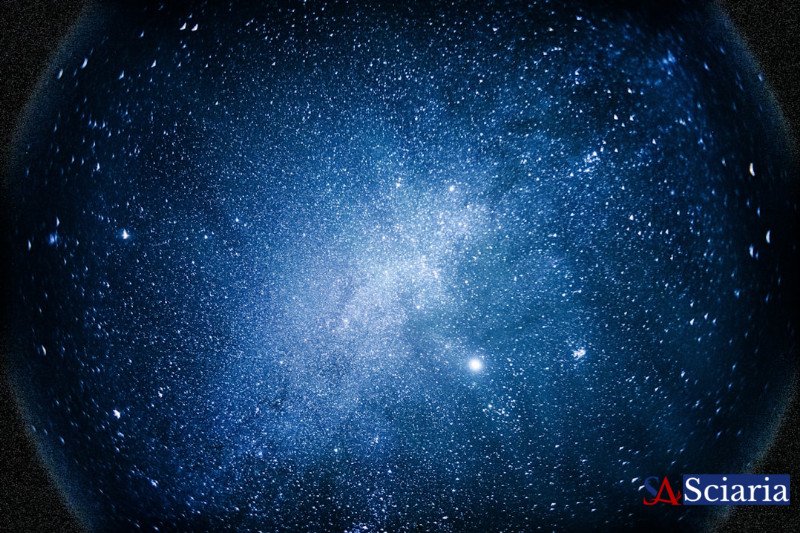
Imagine a universe playing out right before your eyes, yet completely hidden. Our human sight, though miraculous, can only perceive a tiny sliver of the electromagnetic spectrum – the visible light. This narrow band of reds, greens, and blues paints a beautiful picture, but it leaves vast cosmic sagas untold. Enter invisible astronomy, a scientific endeavor that utilizes specialized telescopes and detectors to peer into the universe using light we cannot see, from the longest radio waves to the shortest, most energetic gamma rays. This exploration has revolutionized our understanding of the cosmos, revealing phenomena once entirely beyond our imagination.
Beyond the familiar visible light, the universe broadcasts an incredible symphony of information. Radio waves, for instance, pass largely unimpeded through cosmic dust and gas, allowing astronomers to detect incredibly distant galaxies, vast nebulae, and the echoes of the Big Bang itself through the cosmic microwave background. Infrared astronomy, on the other hand, excels at revealing the warmth of objects, cutting through obscuring dust clouds to unveil stellar nurseries where new stars are being born, the atmospheres of exoplanets, and the cooler components of galaxies. Telescopes like the James Webb Space Telescope are pioneering this frontier, showing us the universe's earliest moments and intricate star-forming regions in unprecedented detail.
As we move to the higher-energy end of the spectrum, X-rays and gamma rays unlock the secrets of the universe's most violent and extreme events. X-ray astronomy detects superheated gas around black holes, the remnants of exploding stars (supernovae), and active galactic nuclei powered by colossal black holes devouring matter. Gamma-ray astronomy captures the universe's most energetic explosions, from incredibly powerful gamma-ray bursts to the mysterious processes occurring around pulsars and colliding neutron stars. These high-energy observations are crucial for understanding fundamental physics, the lifecycle of massive stars, and even potentially the nature of dark matter.
By stitching together these 'invisible' views with what we see in visible light, astronomers construct a far more complete and nuanced picture of the universe. Each wavelength acts like a different sense, allowing us to 'touch' and 'hear' the cosmos in ways our eyes alone never could. Invisible astronomy isn't just about seeing more; it's about understanding what we see more profoundly. From mapping the large-scale structure of the universe to studying the intimate details of planet formation, these hidden wavelengths are our keys to unlocking the universe's deepest mysteries and continuing to push the boundaries of human knowledge.
Comments (0)
Rate This Blog
Top Blogs by Rating

When Materials Think: Ushering...
By Sciaria

Sacred Discomfort: Embracing T...
By Sciaria

Embrace the Pause: The Surpris...
By Sciaria
Favorite Blog

Beyond the Desk: Uncovering Yo...
By Sciaria

Phantom Power: Unmasking Your...
By Sciaria

The Myth of One-Size-Fits-All:...
By Sciaria
 Sciaria Research