Herd Harmony: The Scientific Path to Stress-Free Livestock and Thriving Farms
- Sciaria
- Animal Husbandry
- May 15, 2026
- 0 Comments
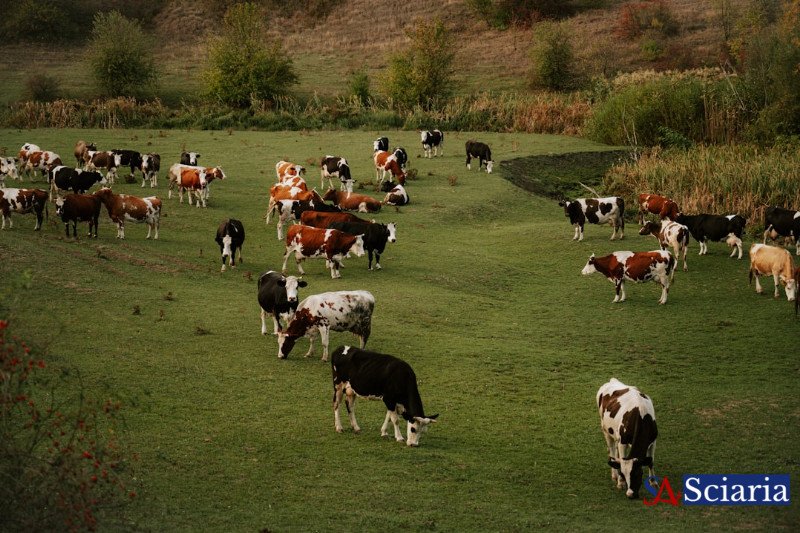
In the bustling world of animal husbandry, a quiet revolution is taking place, guided by the principle of 'herd harmony.' This isn't just a feel-good phrase; it's a scientific approach to livestock management that recognizes the profound impact of stress on animal welfare, productivity, and ultimately, the profitability of a farm. Moving beyond basic care, modern agriculture is embracing the science of stress-free livestock, understanding that a calm, healthy animal is a productive and resilient one. By delving into the biological and behavioral underpinnings of stress, producers can cultivate environments where their animals not only survive but truly thrive.
The science is clear: stress is a formidable enemy to livestock health. When animals experience stressors – be it poor handling, inadequate nutrition, overcrowding, or extreme weather – their bodies release cortisol and other stress hormones. This physiological response, designed for short-term survival, has detrimental long-term effects. It suppresses the immune system, making animals more susceptible to disease, reduces growth rates, impairs reproductive performance, and can negatively impact meat and milk quality. For instance, chronic stress can lead to digestive issues, lameness, and behavioral problems, translating directly into increased veterinary costs and reduced farm output. Understanding these biological pathways is the first step towards mitigating their impact.
Achieving herd harmony involves implementing scientifically-backed strategies designed to minimize stressors. This includes adopting low-stress handling techniques, such as those popularized by Temple Grandin, which work with an animal's natural instincts rather than against them. Providing ample space, proper ventilation, and comfortable bedding in shelters is crucial for reducing environmental stress. Furthermore, a balanced and consistent nutritional plan, access to clean water, and maintaining stable social groupings help prevent nutritional and social stressors. Even subtle changes, like minimizing sudden loud noises or providing visual barriers, can significantly contribute to a calmer environment.
Beyond basic care, advanced approaches to stress reduction include environmental enrichment, allowing animals to express natural behaviors, and utilizing genetic selection for calmer temperaments. Regular monitoring of stress indicators, such as changes in feeding patterns, activity levels, or even vocalizations, can provide early warnings, enabling proactive intervention. Embracing technology, like remote monitoring systems, can further aid in maintaining optimal conditions without constant human intrusion, which itself can be a stressor. The goal is to create an ecosystem where livestock feel secure, comfortable, and able to express their natural behaviors.
The benefits of a stress-free environment extend far beyond animal comfort. Farms practicing herd harmony report healthier animals, higher growth rates, improved fertility, enhanced milk and meat quality, and significantly reduced veterinary expenses. This holistic approach to animal husbandry is not just about ethical farming; it's about smart, sustainable farming that yields superior results. By prioritizing the science of stress reduction, producers are investing in the long-term well-being of their livestock and the prosperity of their operations, fostering a truly harmonious and productive relationship between humans and animals.
Comments (0)
Rate This Blog
Top Blogs by Rating

Beyond DRY: Embracing Strategi...
By Sciaria

Big Data's Echo Chamber: The U...
By Sciaria

When Your Spirit Contradicts Y...
By Sciaria
Favorite Blog

The Narrative Edge: Informatic...
By Sciaria

The Understudy's Call: Theater...
By Sciaria

The Compass You Didn't Know Yo...
By Sciaria
 Sciaria Research