Density's Green Dividend: How Crowded Cities Pave the Way for a Sustainable Future
- Sciaria
- Urbanization
- Nov 18, 2025
- 0 Comments
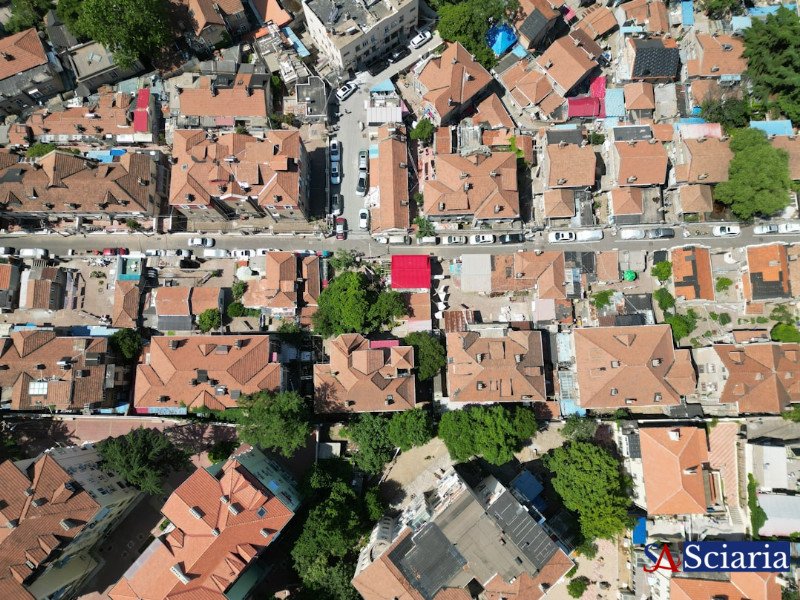
The image of a crowded city often conjures thoughts of pollution, concrete jungles, and environmental degradation. It's a common misconception that more people packed into a smaller space inherently leads to a larger ecological footprint. However, a growing body of evidence suggests the opposite might be true. Welcome to the concept of "density's dividend" – where smart urbanization and increased population density don't just tolerate environmental goals, but actively champion them, making crowded cities surprisingly greener cities.
One of the most significant environmental advantages of dense urban environments lies in transportation and energy consumption. When people live closer to where they work, shop, and socialize, the need for private vehicles diminishes dramatically. Dense cities inherently support robust public transportation networks, walking, and cycling, leading to fewer cars on the road, reduced traffic congestion, and a substantial drop in per-capita carbon emissions. Furthermore, apartments and connected buildings in dense areas often require less energy for heating and cooling compared to sprawling single-family homes, thanks to shared walls and more efficient infrastructure. This collective efficiency dramatically shrinks individual energy demands.
Beyond individual consumption, density offers systemic benefits in land use and infrastructure. Compact cities require a smaller footprint of developed land. By building up rather than out, dense urban areas prevent urban sprawl, preserving valuable agricultural land, forests, and natural habitats on the peripheries. This concentration also means that essential infrastructure – water pipes, sewer systems, power grids, and internet cables – can be laid out more efficiently, serving more people with less material and maintenance. Less sprawling infrastructure translates directly to fewer resources consumed and less disturbance to ecosystems.
Moreover, highly populated areas often become hotbeds for innovation and shared resource models. From advanced waste management and recycling programs that are more viable at scale, to shared community gardens and green spaces that maximize ecological benefits in limited areas, dense cities foster collective solutions. The proximity of diverse populations also accelerates the adoption of green technologies and sustainable practices through peer influence and readily available services. These cities become living laboratories for urban sustainability, pushing the boundaries of what's possible for eco-friendly living.
In conclusion, the narrative that urban density is inherently detrimental to the environment needs a re-evaluation. When thoughtfully planned and managed, crowded cities can be powerful engines for sustainability, offering a compelling dividend of reduced emissions, preserved natural landscapes, and enhanced resource efficiency. Embracing smart urban planning that leverages density isn't just about accommodating more people; it's about building a more sustainable, resilient, and ultimately greener future for everyone.
Comments (0)
Rate This Blog
Top Blogs by Rating

The Admin Alchemist: Mastering...
By Sciaria

When Materials Think: Ushering...
By Sciaria

The Invisible Grip: Unraveling...
By Sciaria
Favorite Blog

Unlocking Life's Source Code:...
By Sciaria

Zero-Knowledge Proofs: The Cry...
By Sciaria

The Earth's Perfume: Decoding...
By Sciaria
 Sciaria Research