Beyond the Rulebook: Unmasking Bureaucracy's Shadow Policy
- Sciaria
- Policy, Administration
- Sep 08, 2026
- 0 Comments
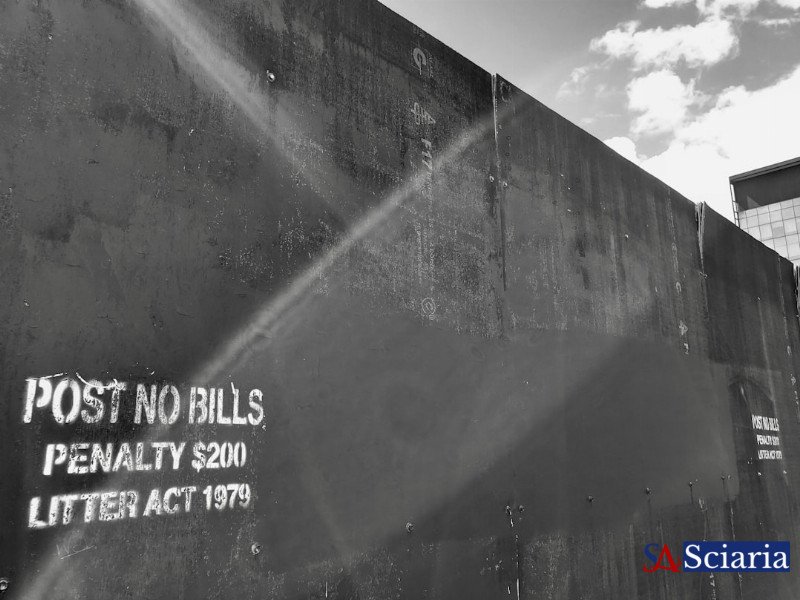
Every organization, especially those steeped in bureaucracy, operates on two sets of rules: the official, codified policies documented in manuals and procedures, and the unwritten, informal guidelines that often dictate how things truly get done. This 'shadow policy' is a pervasive, yet rarely acknowledged, force within administration, shaping decisions, expediting or delaying processes, and profoundly influencing outcomes. Understanding these unspoken protocols is not just an advantage; it's often a necessity for navigating complex systems effectively.
These unwritten rules emerge from a myriad of sources. Sometimes, they are born out of practical necessity, filling gaps where official policy is vague or incomplete, or providing shortcuts to bypass cumbersome official channels. Other times, they reflect historical practices, ingrained organizational culture, or the personal preferences and power dynamics of key individuals. They can be subtle signals, like knowing which department to contact first regardless of the official hierarchy, or firm directives, such as always securing an informal sign-off before submitting a formal request. These unspoken norms become the true 'how-to' guide, passed down through whispers and observations rather than formal training.
The impact of this shadow policy is two-fold. On one hand, it can create a sense of efficiency for those 'in the know,' allowing them to sidestep bureaucratic red tape and achieve results quicker. This informal network can foster internal cohesion and a shared understanding among long-term employees. However, the darker side is far more problematic. For newcomers, external stakeholders, or those outside the informal power structure, these unwritten rules can be incredibly frustrating, leading to delays, rejection, and a feeling of being unfairly treated. They undermine transparency, accountability, and the very principles of fairness and equity that formal policies are designed to uphold.
Navigating the shadow policy requires keen observation, networking skills, and a willingness to learn from veterans. It involves understanding the informal chains of command, identifying key influencers, and recognizing the subtle cues that indicate the 'real' way things operate. For administrators and leaders, acknowledging the existence of these unwritten rules is the first step towards fostering a more transparent and equitable environment. It demands an examination of why these shadow policies exist, whether they serve a legitimate purpose, and how beneficial informal processes can be formalized while detrimental, exclusionary ones are addressed and eliminated.
Ultimately, the shadow policy is a testament to the human element within structured systems. While official policies provide the skeleton, these unwritten rules are the sinews and muscles that give bureaucracy its true form and function. Recognizing, understanding, and proactively managing this informal layer is crucial for any organization aiming for genuine efficiency, fairness, and a culture of transparency, ensuring that what's written on paper aligns more closely with what happens in practice.
Comments (0)
Rate This Blog
Top Blogs by Rating

Beyond the Blueprint: Unveilin...
By Sciaria

Microbes: Earth's Unseen Archi...
By Sciaria

Unveiling the Hidden Journeys:...
By Sciaria
Favorite Blog

The Understudy's Call: Theater...
By Sciaria

The Circadian Diet: Sync Your...
By Sciaria

The Invisible Architect: How T...
By Sciaria
Related Research
Elementos de morfologia histórica do nome em latim
The legacy of john dunmore lang (1799-1878)
Analysis of students' learning needs for teaching materials in informatics subject at senior high school.
Share
Notice Board
- PUBLISHED IBIC'18 PROCEEDINGS
- LOCAL WISDOM VALUES IN TYPICAL DAYAK FOOD IN THE BATEE MEUCANANG VILLAGE COMMUNITY, LABUHANHAJI BARAT DISTRICT, SOUTH ACEH REGENCY
- PEMANFAATAN LIMBAH BIJI RAMBUTAN (NEPHELIUM LAPPACEUM) SEBAGAI POTENSI INOVASI PRODUK PANGAN NUSANTARA PADA IBU IBU PKK PERUMAHAN SRONDOL ASRI SEMARANG
 Sciaria Research