Beyond the Charts: The Nurse's Sixth Sense and Deciphering the Unspoken
- Sciaria
- Nursing
- Oct 26, 2025
- 0 Comments
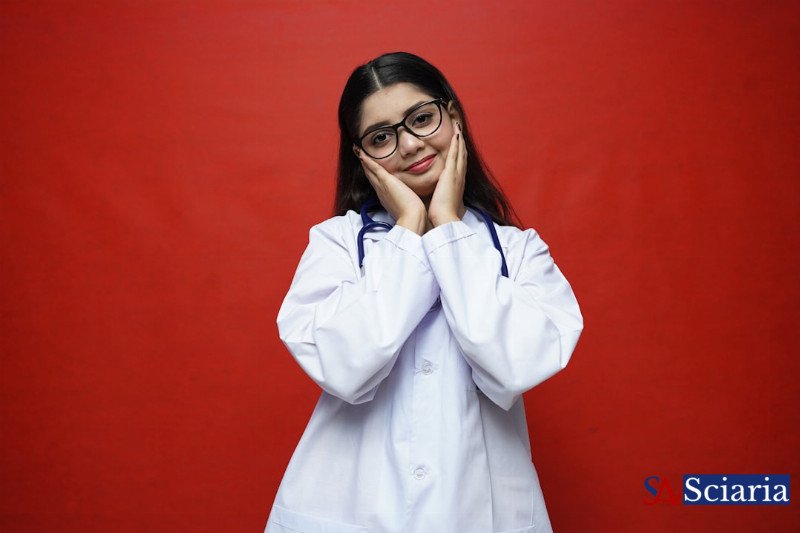
In the intricate world of healthcare, nurses are often celebrated for their clinical skills, critical thinking, and unwavering compassion. Yet, there's another, less tangible, but equally vital attribute that sets exceptional nurses apart: a profound 'sixth sense.' This isn't about clairvoyance, but rather an acute intuition and an unparalleled ability to decipher the unspoken – the subtle cues, the unvoiced fears, and the emergent needs that lie beneath the surface of a patient's presentation.
This 'sixth sense' is a finely honed blend of sharp observation, deep empathy, and pattern recognition developed over countless hours at the bedside. It's the nurse who notices a slight change in skin tone, a barely perceptible shift in breathing, or a fleeting shadow in a patient's eyes that doesn't align with their vital signs or their words. It's the ability to interpret body language, recognize subtle environmental changes, or pick up on the emotional undercurrents in a family dynamic. These seemingly small details, often missed by the untrained eye, can be crucial indicators of a patient's deteriorating condition, escalating pain, or unaddressed psychological distress.
So, how does this invaluable intuition develop? It's a continuous process fueled by experience, active listening, and an insatiable desire to provide holistic care. Years of diverse patient interactions build a vast mental library of presentations, allowing nurses to quickly identify deviations from the norm. It's about trusting that 'gut feeling' that something isn't quite right, then meticulously applying critical thinking to validate or investigate that intuition. Education provides the scientific foundation, but experience refines the art of nursing, teaching one to connect disparate pieces of information into a cohesive understanding of the patient's true state.
The impact of this 'sixth sense' on patient care cannot be overstated. It enables early intervention in medical emergencies, preventing complications before they become critical. It empowers nurses to advocate for patients who cannot advocate for themselves, ensuring their comfort, dignity, and autonomy. It fosters a deeper, more therapeutic connection, as patients feel truly seen and understood, even when they struggle to articulate their needs. This intuitive grasp of the human condition elevates nursing from a technical profession to an art form, making nurses indispensable guardians of health and well-being.
Comments (0)
Rate This Blog
Top Blogs by Rating

Unraveling Heredity: Beyond th...
By Sciaria

The Ghost in the Machine: When...
By Sciaria
Unmasking the Bias Blind Spot:...
By Sciaria
Favorite Blog
Materials That Remember: The I...
By Sciaria

Worlds Within Worlds: Explorin...
By Sciaria
The Digital Core: Unpacking th...
By Sciaria
 Sciaria Research